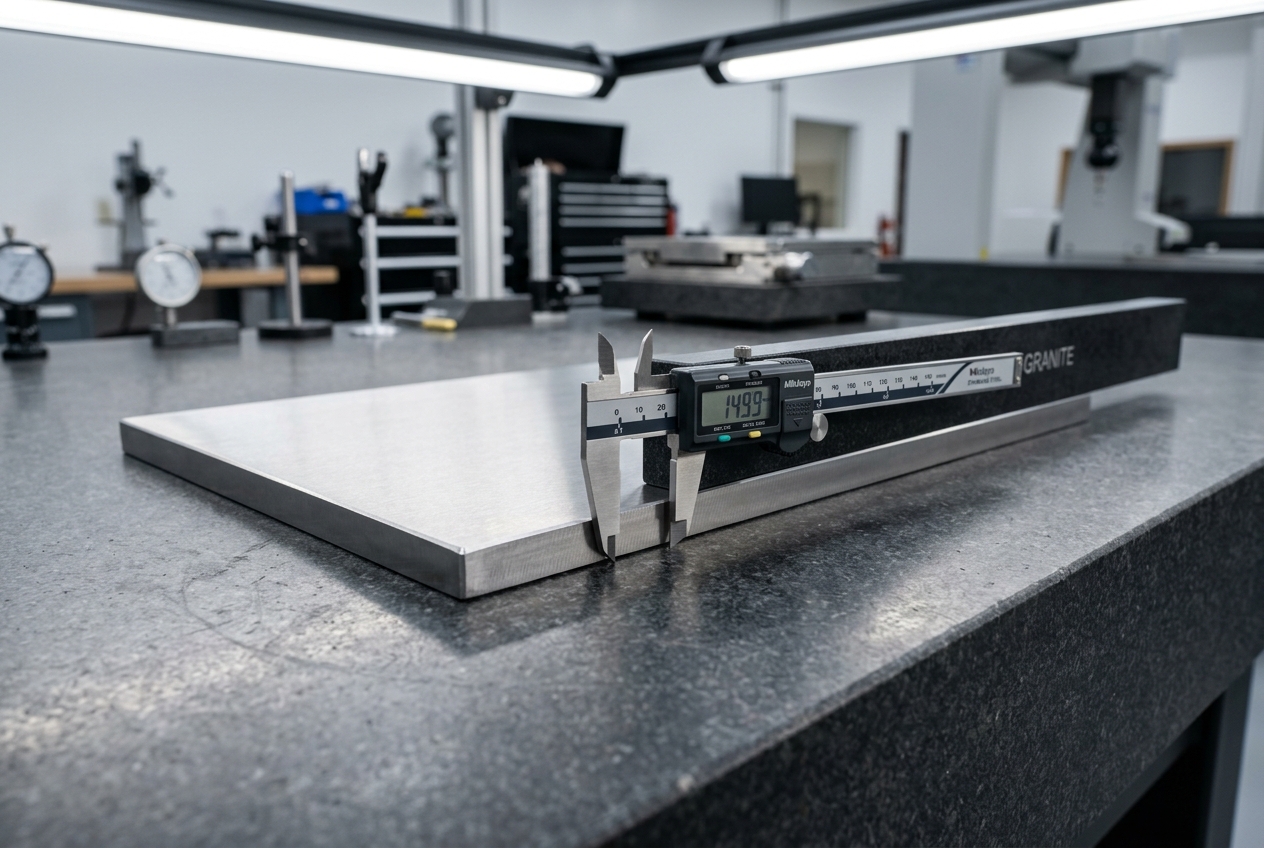
Selecting the right material for use in harsh environments is crucial for ensuring longevity and performance. Stainless steels and nickel alloys each possess unique properties that make them suitable for such applications. Understanding the strengths and limitations of each can lead to more effective material choices.
Stainless Steel: A Versatile Option
Stainless steels such as 304, 316, and 321 series offer a good balance of strength, weldability, and resistance to general corrosion. Their ability to form a passive oxide layer makes them ideal for many industrial applications, especially where chlorides and corrosive substances are present.
- 304 / 304L: Known for excellent formability and weldability, 304 stainless steel is widely used in less demanding corrosive environments.
- 316 / 316L: This grade offers improved resistance to pitting and crevice corrosion due to the addition of molybdenum, making it suitable for marine and chemical processing applications.
However, stainless steels can fall short in environments where high temperatures or significant localized corrosion is expected. This is where nickel alloys become invaluable.
Nickel Alloys: Superior Performance in Demanding Situations
Nickel alloys such as Inconel 625 and Monel 400 are renowned for their outstanding ability to withstand high temperatures and corrosive environments. They provide exceptional strength and resistance far beyond most stainless steels.
- Inconel 625: With its excellent fatigue strength and oxidation resistance, Inconel 625 is ideal for aerospace and marine applications where both high temperature and corrosive resistance are required.
- Monel 400: Known for its superior corrosion resistance in acidic and alkaline environments, Monel 400 is often utilized in processing equipment where corrosion potential is high.
While nickel alloys offer superior performance in extreme environments, their cost is typically higher than common stainless steel grades, affecting the cost-per-tonne-of-service.
Comparative Chart
Understanding the specific properties and limitations of both materials is crucial. Here's a quick comparison:
| Property | 304/304L Stainless Steel | 316/316L Stainless Steel | Inconel 625 | Monel 400 | |-------------------------|--------------------------|--------------------------|---------------|--------------| | Corrosion Resistance | Good | Better | Excellent | Excellent | | Temperature Strength | Moderate | Moderate | High | Moderate | | Cost | Lower | Moderate | High | High |
Making the Right Choice
Choosing between stainless steel and nickel alloys depends on the application's specific demands. Factors to consider include:
- Corrosion Type: For general corrosion, stainless steel might suffice. For high risk of localized corrosion, nickel alloys are better.
- Environmental Conditions: In highly corrosive or high-temperature environments, the resistance of nickel alloys might justify their higher cost.
- Cost Considerations: Weigh the initial cost against potential replacement and downtime costs if the material fails.
In summary, both stainless steel and nickel alloys have important roles to play in harsh environments. The selection should be based on a comprehensive evaluation of environmental conditions, performance requirements, and budget constraints. This ensures not only material integrity but also cost-efficiency over the service life.
Given these considerations, procurement managers and engineers should thoroughly assess their specific operational needs against these material properties to identify the most appropriate solution.